
Barcode Won’t Scan? Separate Label, Scanner, and Item Errors
Use a counter-side troubleshooting sequence to distinguish an unreadable label from a missing item record before changing your retail catalog.
Read article
Use a counter-side troubleshooting sequence to distinguish an unreadable label from a missing item record before changing your retail catalog.
Read articleFeatured insight
Explore clear, useful guidance for running service, checkout, and daily operations.
Start with the POS buyer's guideThe archive
Browse by topic or search for a question on your mind.
59 articles

Coordinate shelf labels, register prices, promotions, and staff checks with a small release checklist for each retail price change.
Read article
Separate payment attempts, pending authorizations, and completed charges before retrying a sale or promising a refund.
Read article
Create a named-owner access checklist that removes unnecessary permissions while preserving the records managers still need.
Read article
Build an acknowledgment routine around allergy requests without mistaking an order note for a food-safety guarantee.
Read article
Keep open checks, seat references, kitchen messages, and payment ownership aligned when a dining party moves during service.
Read article
Define when a menu change takes effect across saved carts, counter orders, kitchen preparation, and pickup expectations.
Read article
Identify a replacement pizza clearly so the kitchen, cashier, and pickup team agree what is being remade and what remains unchanged.
Read article
Match a cancellation to service duration, stylist availability, client consent, and a clear offer deadline before confirming the replacement.
Read article
Connect a questioned statement line to its original transaction, department, and approved correction without exposing another member’s information.
Read article
Keep reciprocal visitor eligibility, permitted charges, supporting references, and settlement ownership clear across the club's departments.
Read article
Connect member charging across departments without losing purchase detail, permissions, or clear statement reconciliation.
Read article
Keep useful service history available to the right employees while controlling unnecessary notes, duplicate profiles, and record exports.
Read article
Separate booking confirmation, appointment reminders, and client replies so the salon team knows what each message means.
Read article
Compare kitchen screens and paper tickets against visibility, corrections, station handoffs, and the recovery process your staff can use.
Read article
Plan kiosks as part of the whole customer journey, with staff assistance, clear ordering choices, and a usable alternative.
Read article
Evaluate tableside payment around the actual dining room, guest choices, transaction status, and device handovers.
Read article
Decide which reservation information the dining room actually needs and verify what a proposed POS connection exchanges.
Read article
Separate order entry, kitchen communication, and payment capabilities when planning a restaurant's response to an internet outage.
Read article
Plan a retail POS change around usable exports, field mapping, opening stock, and access to historical transaction records.
Read article
Find the inventory events and update delays that can make online availability disagree with the physical store's records.
Read article
Ask the right questions about shared balances, partial redemption, refunds, and support before promising gift-card acceptance across channels.
Read article
Make delivery eligibility and charges clear before payment, including boundary addresses, changed destinations, and unavailable service.
Read article
Connect preparation, packing, driver collection, and delivery exceptions so staff can answer a customer's order-status question.
Read article
Understand recipe deductions, portions, waste, and the difference between expected ingredient use and a physical stock count.
Read article
Connect event deposits, approved changes, and final settlement without losing the distinction between booking and actual service.
Read article
Define eligible purchases, account ownership, adjustments, and reporting periods before relying on dining-minimum totals.
Read article
Clarify service attribution, product recommendations, cashier activity, and reporting before using POS totals for staff credit.
Read article
Separate package purchase, appointment booking, service redemption, and corrections so clients and staff can follow the remaining balance.
Read article
Plan post-payment changes around kitchen status, payment differences, customer confirmation, and one clear order record.
Read article
Check how sold-out items and unavailable modifiers are communicated across the counter, kitchen, and supported ordering channels.
Read article
Distinguish order corrections, complimentary items, and returned payments so your restaurant retains a useful transaction trail.
Read article
Give incoming servers clear ownership of open checks without losing pending items, payment status, or the handover trail.
Read article
Separate order entry from kitchen release so servers and cooks share a clear understanding of course timing.
Read article
Plan smaller inventory counts around active sales, clear cutoffs, recounts, and controlled stock adjustments.
Read article
Define dispatch, in-transit stock, receiving, and discrepancy handling before relying on multi-store inventory totals.
Read article
Learn what to test when products share a style name but need separate size, color, barcode, and stock records.
Read article
Check combo substitutions, coupon eligibility, and refund behavior before launching your next pizza promotion.
Read article
Separate order acceptance, preparation release, and pickup promises when planning scheduled pizza orders.
Read article
Turn half-and-half pizza pricing into a clear rule that customers, cashiers, and the kitchen can all understand.
Read article
Cash-acceptance proposals make it important to verify local requirements before changing a store policy. Use this practical review without making legal assumptions.
Read article
Cash-rounding proposals make a good reason to inspect your tender workflow. Use this checklist to distinguish policy, configuration, receipt, and accounting decisions.
Read article
Contactless is useful when the payment step fits the customer's path. Build a dependable checkout flow around clear prompts, staff training, and fallbacks.
Read article
Explore where AI can assist restaurant teams, how people should review its output, and which operational decisions need a human owner.
Read article
A single sales total rarely explains a day. Build a careful review around transactions, ticket size, timing, and the context behind the numbers.
Read article
A faster register is not enough if production and pickup fall behind. Map the full order journey before adjusting your rush-hour workflow.
Read article
Takeout and pickup become easier to manage when every order has a visible status, a staging place, and one person accountable for exceptions.
Read article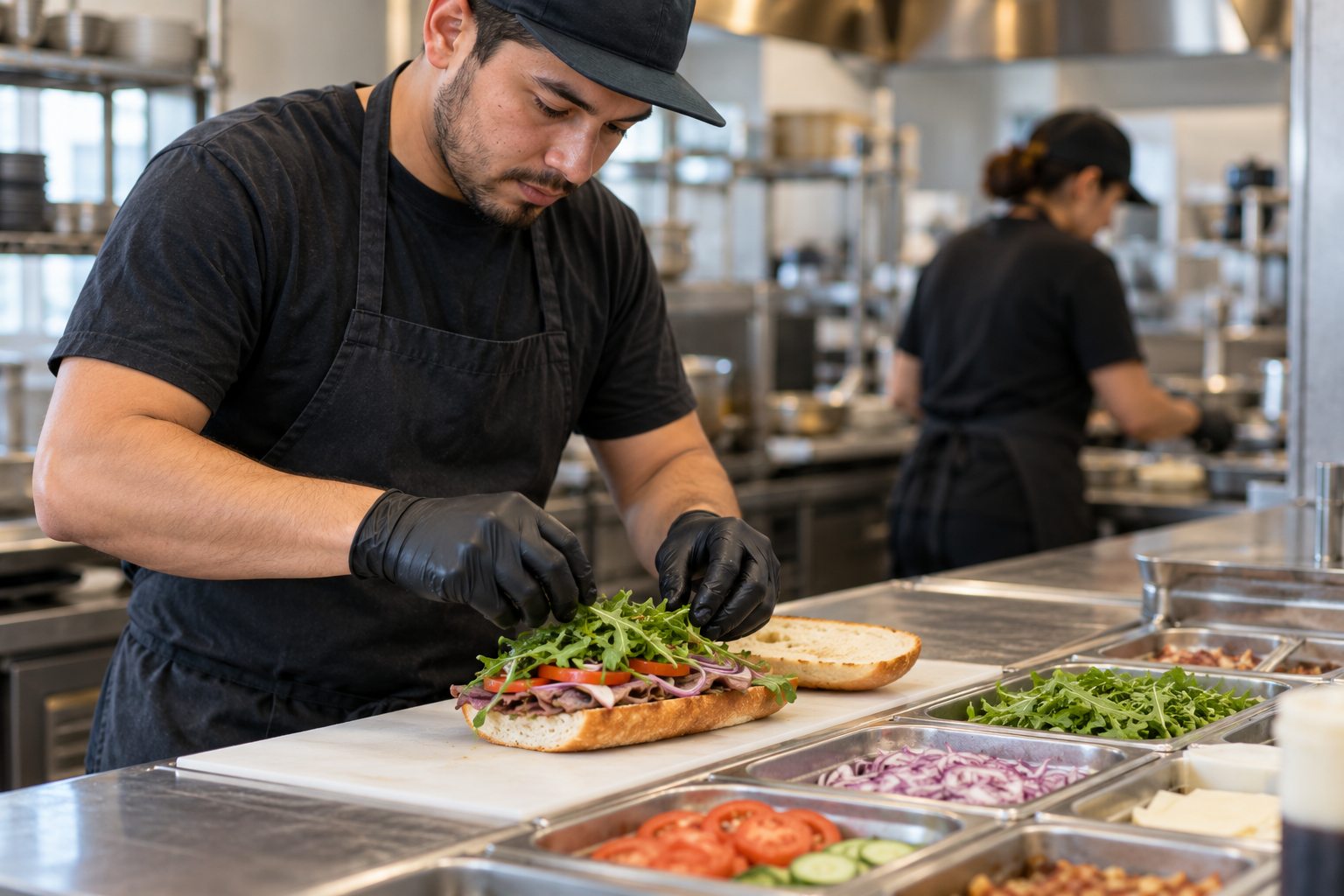
A modifier list can either clarify an order or slow it down. Use this checklist to keep options understandable from counter to kitchen.
Read article
Splitting a check is a service moment, not just a payment task. Agree on the sequence before the table is ready to leave.
Read article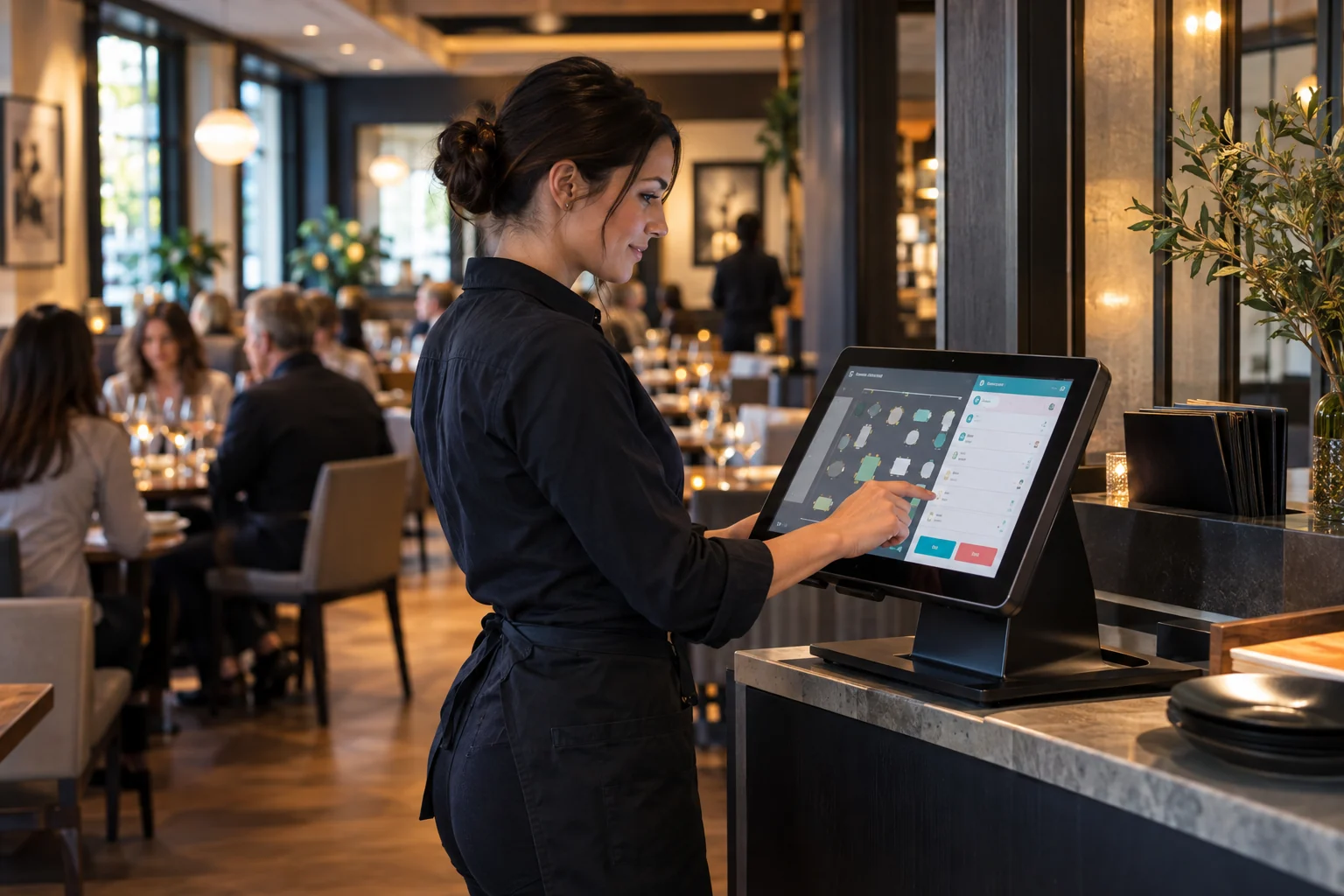
A ticket is only helpful when it reaches the right station with the details the team needs. Audit routing with real orders before service.
Read article
Inventory accuracy starts at receiving, not at the register. A consistent process makes later sales, replenishment, and adjustment reports more useful.
Read article
Seasonal demand can expose catalog and checkout gaps. Use this late-summer checklist to prepare items, staff, returns, and reports.
Read article
A return can affect inventory, tender totals, and customer trust. Document the decision clearly from the original sale through closeout.
Read article
A mobile checkout device is useful only when it improves the floor experience and can be supported reliably during everyday work.
Read article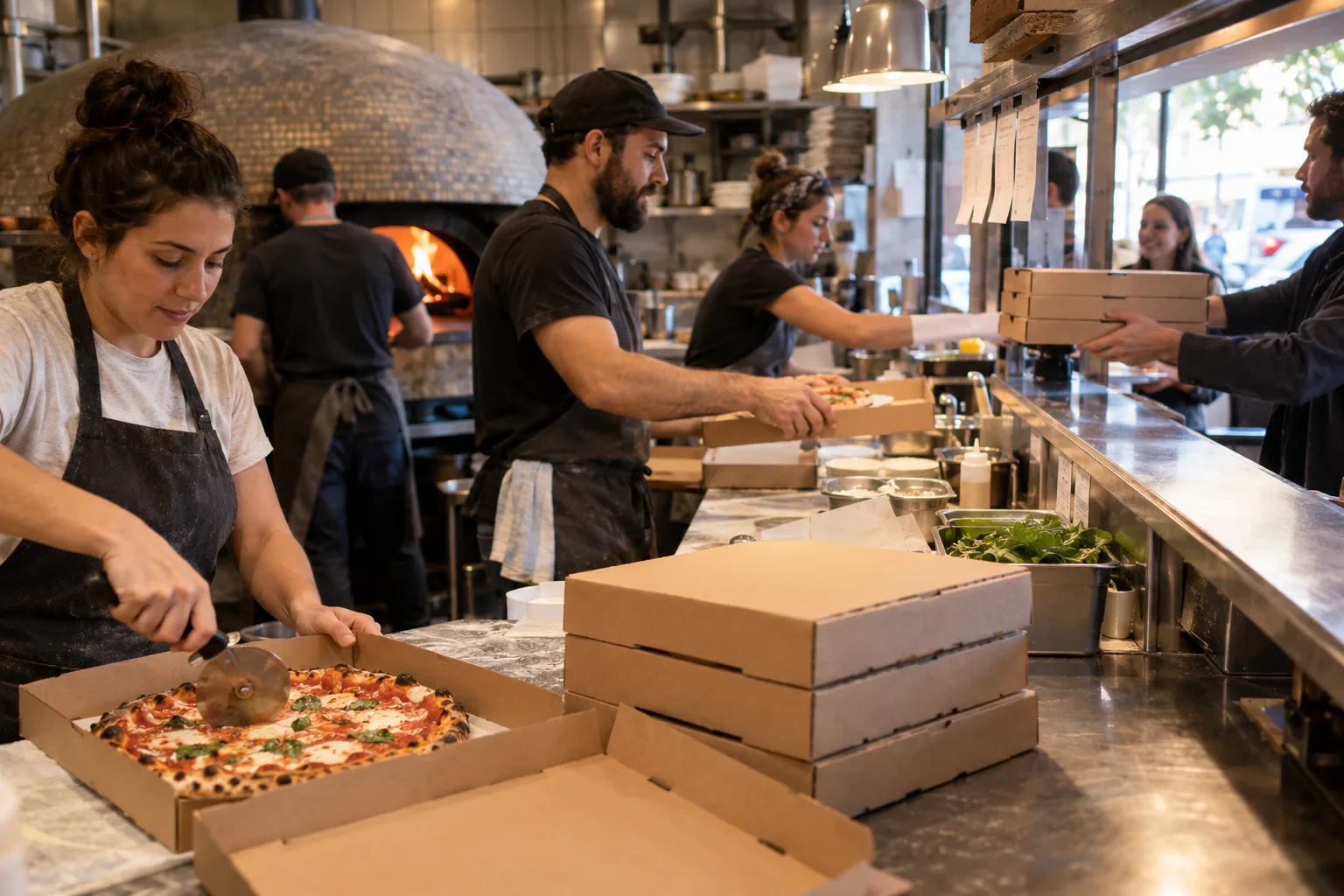
A loyalty prompt should be clear to customers and manageable for staff. Make the value, consent, and data-handling rules explicit.
Read article
Deposits can protect scheduled time, but unclear terms create conflict. Write a consistent client policy before adding a payment step.
Read article
A full appointment book can still hide bottlenecks. Review provider time, service buffers, shared resources, and checkout as one daily plan.
Read article
Club dining may combine members, guests, events, and different payment arrangements. Document the rules before the check reaches closeout.
Read article
Events connect people who may not work the same shift. Map each handoff so service details survive the move from planning to closeout.
Read article
Different order channels can create different versions of the same pizza. Standardize the information the kitchen receives and the pickup team verifies.
Read articleNo articles match that search. Try a broader topic.
Planning a POS project?
Use the buyer's guide to organize your questions before comparing systems.